Mangrove Conservation and Coastal Environmental Protection
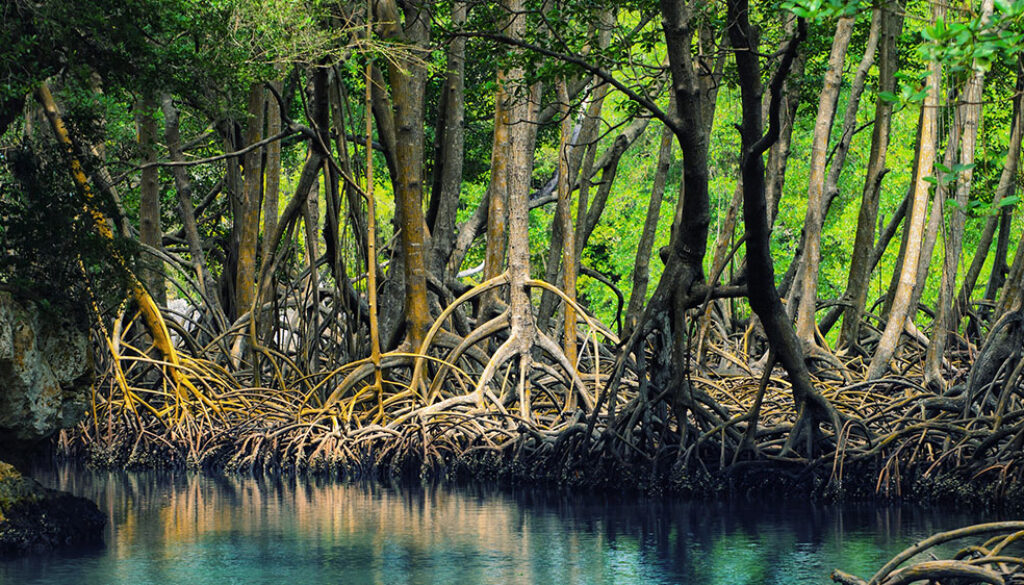
Coastal ecosystems are valuable natural assets that provide environmental, social, and economic benefits for communities. Among the most important coastal ecosystems are mangrove forests, which support biodiversity, provide habitats for various species, and contribute to the protection of coastal areas. Unfortunately, coastal ecosystems can face increasing pressure from human activities, waste, development, and unsustainable resource use. Protecting these ecosystems requires active participation from communities and other stakeholders. Yayasan Pojok Pesisir Maju is committed to promoting coastal conservation and mangrove preservation through education, community participation, environmental awareness, and practical conservation activities.
Mangrove conservation is not only an environmental issue but also a community issue. Many coastal communities live closely with natural ecosystems and depend on coastal resources for their livelihoods. When ecosystems become degraded, communities can also experience negative consequences. Environmental damage can affect natural resources, economic opportunities, biodiversity, and the overall quality of the coastal environment. For this reason, conservation programs should involve local communities from the beginning. Yayasan Pojok Pesisir Maju encourages community-based conservation because local participation can create stronger awareness, ownership, and responsibility for protecting the environment.
Mangrove planting is one of the practical activities that can encourage people to become directly involved in environmental conservation. Planting mangrove seedlings can provide an opportunity for students, local residents, volunteers, organizations, companies, and other groups to participate in a meaningful environmental activity. However, mangrove planting should be supported by proper planning, site consideration, maintenance, monitoring, and environmental education. A successful conservation program is not measured only by the number of seedlings planted but also by the long-term survival of mangroves and the ability of communities to continue protecting the ecosystem.
Environmental education is an essential component of mangrove conservation. People are more likely to protect an ecosystem when they understand its importance and recognize its relationship with their own lives. Educational programs can introduce communities to mangrove ecosystems, biodiversity, waste management, coastal protection, and sustainable resource utilization. For children and young people, environmental education can become an important part of developing responsible habits. Practical activities such as mangrove planting and coastal clean-ups can make environmental learning more engaging and help participants understand conservation through direct experience.
Coastal waste management is another important concern in maintaining healthy coastal environments. Waste that reaches coastal areas can affect ecosystems, wildlife, water quality, and community health. Community awareness can help reduce littering and encourage responsible waste management practices. Yayasan Pojok Pesisir Maju supports educational and community-based activities that encourage people to understand the consequences of waste pollution. Coastal clean-up activities can also become opportunities for environmental education, allowing participants to see directly how waste can accumulate in coastal ecosystems and why prevention is important.
Sustainable resource management is closely connected to environmental conservation. Coastal resources provide important benefits to communities, but they need to be used responsibly so that they remain available for future generations. Communities can be encouraged to understand the relationship between natural resource use and ecosystem health. Sustainable practices can help balance economic needs with environmental protection. Yayasan Pojok Pesisir Maju promotes awareness of responsible resource management through community education, conservation activities, and economic empowerment programs that encourage sustainable livelihood opportunities.
Mangrove conservation can also create opportunities for collaboration between communities and organizations. Companies can contribute through environmental social responsibility programs, educational institutions can involve students in conservation activities, and volunteers can contribute time and skills. Donors can provide support for conservation programs, while local communities can contribute their knowledge and participation. Through collaboration, environmental programs can reach more people and create broader awareness. Yayasan Pojok Pesisir Maju welcomes partnerships that share a commitment to protecting coastal ecosystems and strengthening the communities that depend on them.
The younger generation has a particularly important role in the future of coastal conservation. Children and young people who grow up with environmental awareness can become future community leaders, entrepreneurs, educators, and conservation advocates. Providing them with opportunities to participate in environmental activities can help develop a stronger sense of responsibility. Programs such as environmental learning, mangrove planting, coastal clean-ups, and conservation discussions can encourage young people to understand the importance of nature. Education today can become the foundation for stronger environmental stewardship tomorrow.
Conservation should also be connected with community welfare. Environmental protection becomes more sustainable when communities have access to education, health information, economic opportunities, and the ability to participate in decision-making. Yayasan Pojok Pesisir Maju therefore approaches coastal conservation as part of a broader community empowerment strategy. By strengthening people while protecting ecosystems, conservation can become a long-term process supported by local communities. This integrated approach recognizes that healthy ecosystems and prosperous communities are closely connected.
Protecting coastal ecosystems is a shared responsibility that requires continuous action and cooperation. Yayasan Pojok Pesisir Maju seeks to contribute through mangrove planting, coastal conservation, environmental education, community empowerment, and collaborative social programs. Our goal is to encourage communities to become active participants in protecting their environment while creating opportunities for a better quality of life. With consistent education, responsible resource management, meaningful partnerships, and community participation, mangrove conservation can become a powerful movement for a healthier and more sustainable coastal future.